 Skip to main content

Top 7 Interior Design Trends in Dubai for 2026
- June 20, 2026
- Zia Luxury
- 5:06 am
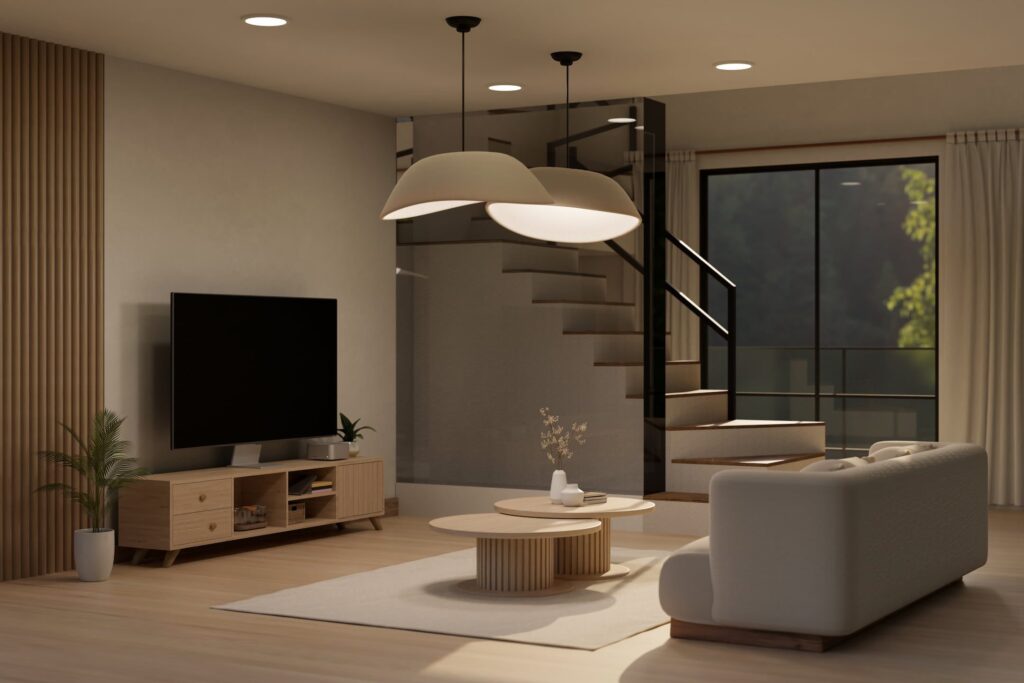
Dubai’s interior style is slowly turning around. The all-white, cold, and shiny aesthetic of the previous ten years is being replaced by a more textured and more personal aesthetic. The brand of ‘Instagram luxury’ is over, and homeowners around Palm Jumeirah, Emirates Hills, Dubai Marina, and Arabian Ranches are looking for spaces that are both calming and functional, that are productive in their everyday lives, and that appreciate value.
Since 2019, Zia Luxury has completed more than 500 fit-out, renovation, and landscape projects throughout Dubai, which is reflected in nearly every consultation we have. Here are the 7 interior design trends actually shaping Dubai homes in 2026 — and what each one means in practice if you’re planning a renovation or fit-out.
Warm Minimalism and Quiet Luxury
The “less but better” philosophy has replaced stark, clinical minimalism. A soft, neutral palette, natural textiles, and contemporary furniture that is both functional and beautiful are all becoming favorites for Dubai’s luxury homes without compromising the high-end style.
- Use warm beige, sand and taupe colors rather than cold white or grey
- Travertine, limestone, and natural wood feature materials
- Fewer statement pieces, each one intentional rather than decorative
- Matte finishes over high-gloss surfaces
This trend works particularly well in villas, where larger rooms can otherwise feel sterile. It’s also one of the most cost-effective trends to implement, since it relies on material choice and restraint rather than expensive custom builds.
Biophilic Design and Seamless Indoor-Outdoor Living
With Dubai’s near-constant sunshine, the line between inside and outside is disappearing. This is where interior design genuinely overlaps with landscape and pool design — a connection most design blogs skip entirely.
- Oversized porcelain tiles from the living room straight onto the terrace
- Cooling system to regulate heat and glare through floor-to-ceiling glazing with smart shading.
- Vertical gardens or large statement plants close to entrances and stairwells
- Pool decks and majlis areas outside your home are intended to be an extension of the living room, rather than an add-on.
This change happens to be on the inside for villa owners. With an effective indoor/outdoor flow, the landscaping, pool edge, and interior flooring are typically all specified from the first day and are often done by a combination of one team rather than three separate contractors.
Sculptural, Handle-less Kitchens
This is because the kitchen has become much more than a working environment, it is the heart of the home, and that is evident in the design. 2026 kitchens are more than just appliances.
- Integrated, handle-less appliances behind joinery panels
- Having “prep kitchens” or walk-in pantries so that the kitchen is camera-ready when entertaining.
- Discarded bulky upper cabinets were replaced with floating stone or solid wood shelving. Heavy top cabinets were removed and replaced by floating stone or solid wood shelving.
- A marble or quartzite island as the single sculptural centrepiece
This is one of the higher-investment trends, since it depends heavily on custom joinery and stone fabrication — but it’s also one of the features buyers and guests notice first.
Spa-Inspired Sanctuary Bathrooms
Bathrooms in 2026 are designed as wellness spaces rather than purely functional rooms — a shift driven as much by lifestyle as by design fashion.
- Sculptural stone or composite bathtubs replacing standard acrylic tubs
- Layered, soft LED lighting instead of harsh overhead fixtures
- Matte black or brushed brass fixtures replacing chrome
- Underfloor heating, anti-fog mirrors, and voice-activated controls in master en-suites
Even a modest-sized bathroom can adopt this look with the right lighting plan and fixture finish — it doesn’t always require a full structural renovation.
Curved Architecture and Soft Geometry
Sharp, angular furniture is softening across Dubai homes. Curves read as more comfortable and more contemporary at the same time.
- Rounded sofas, armchairs, and dining tables replacing boxy silhouettes
- Arched doorways and curved partition walls instead of straight drywall divisions
- Fabric or fluted-glass partitions are used to zone open-plan spaces without fully closing them off
This trend pairs naturally with warm minimalism—together they’re the two most requested looks in our current villa renovation briefs.
Invisible Smart Home Technology
The smart city concept has been fully realized inside Dubai, and it’s no longer the gadgets that are visible; it’s now technology you can’t even see.
- Lighting, climate, security, and entertainment via voice control. Control lighting, climate, security, and entertainment from one central point with voice commands.
- Ceiling- or joinery-mounted wiring, speakers, and screens.
- Smart glass technology that can clear and become opaque depending on privacy needs, eliminating the need for bulky blinds.
The aim is to create a home that’s more “easy to use” than “tech-forward,” or, in other words, to have technology blended into the home rather than on top of it.
Sustainable, Durable Luxury Materials
In upscale Dubai interiors, sustainability has gone from a bonus to a standard. This is largely because materials that last outlast the season in this climate.
- All stone composites and responsibly sourced wood are the norm, not an improvement.
- Low-E windows and enhanced insulation will help lower cooling costs over the years
- A preference for “durable over fashionable”—in other words, a focus on finishes that will look fresh and won’t need replacing in the next few years
Rather than aesthetics, this trend is as much about protecting investment in villa renovations as it is about aesthetics in a market where villa renovation is a substantial investment.
Collecting These Trends For Your Own House
Many of these trends are best implemented together and not separately. A handle-less kitchen looks disjointed next to a high-gloss bathroom; smart glass means little if the wiring behind it is visible. That’s the main reason Dubai homeowners are increasingly choosing a single turnkey partner — one team handling design, fitout, landscaping, and pool works — rather than coordinating separate contractors for each trend.
If you’re planning a renovation, start with a clear 3D visual of the space before any material is ordered. It’s the easiest way to see how warm minimalism, curved furniture, and biophilic touches will actually sit together in your specific villa or apartment, rather than guessing from a moodboard.
Why Choose Zia Luxury
Zia Luxury has delivered 500+ interior fitout, renovation, landscape, and pool projects across Dubai since 2019 — including villas in Palm Jumeirah, Emirates Hills, and Arabian Ranches, and apartments in JBR, Dubai Marina, and Downtown. A few things set the process apart:
- One team, every discipline — interior fitout, renovation, landscaping, and pools handled under a single contract, so trends like indoor-outdoor living are planned together, not pieced together
- Fixed, itemised pricing with no hidden costs once a quote is signed
- Full 3D visuals before any material is ordered, so you see the finished look in advance
- DED registered and Dubai Municipality licensed, fully insured and bonded
- 12 months of aftercare included after handover, plus optional AMC support
If any of the trends above caught your eye, a free consultation is the easiest way to see how they’d actually look in your space.
Frequently Asked Question
Warm minimalism and quiet luxury are the most widely adopted trends this year. They suit Dubai's larger villa layouts and pair easily with biophilic and curved-furniture trends.
Not necessarily — it relies more on material choice and restraint than custom builds. It's often one of the more budget-friendly trends to implement well.
Most fitouts require approval from the relevant developer or Dubai Municipality, especially for structural or MEP changes. A licensed fitout company will handle these approvals as part of the project.
Villa fitouts and renovations generally take 8 to 20 weeks, depending on the scope. Apartment fitouts are usually faster, around 4 to 8 weeks.
Yes, most systems can be retrofitted, though concealing wiring properly may require opening up some walls or ceilings. Planning this alongside any renovation work is the most cost-effective approach.
Conclusion
Dubai’s 2026 interior design trends share one common thread: restraint with intention. Whether it’s a sculptural kitchen island, a spa-style bathroom, or a living room that opens straight onto a landscaped pool deck, the homes getting it right are the ones treating interior, outdoor, and technical design as one connected project—not three separate ones.
None of these trends are fads. Comfort and longevity are the foundations of warm minimalism, biophilic features, and discreet smart technology, which is why they’re becoming popular in villas and apartments worldwide in all Dubai communities this year. The house that does well over the next five years will be the house that was designed with these things in mind from the beginning of construction and not added to the mix by a bunch of random additions over the years. If you’re weighing where to begin, start with the rooms you use daily — kitchen, living room, and master bathroom typically deliver the biggest shift in how a home feels.
